 Log In






Starting a business is exciting. Finding the money to launch it? That’s usually the tricky part.
The good news is there are plenty of startup funding options in the UK – from government schemes to investors and business loans. The challenge is knowing which route is right for you.
This guide explains how startup funding works, how to get funding for a startup, and the best funding options available to new businesses in the UK.
What is startup funding and why is it essential?
Startup funding is the money you use to launch and grow a new business.
You might need startup funding to:
- Build a website
- Buy equipment
- Hire staff
- Develop a product
- Cover early running costs
- Invest in marketing
Most new businesses don’t generate profit straight away. Startup funding helps bridge that gap.
There are two main types of funding:
Money used for day-to-day costs like rent, wages, stock, and software.
Funding used to expand, such as launching a new product, hiring staff, or scaling marketing.
Many startups need both at different stages.
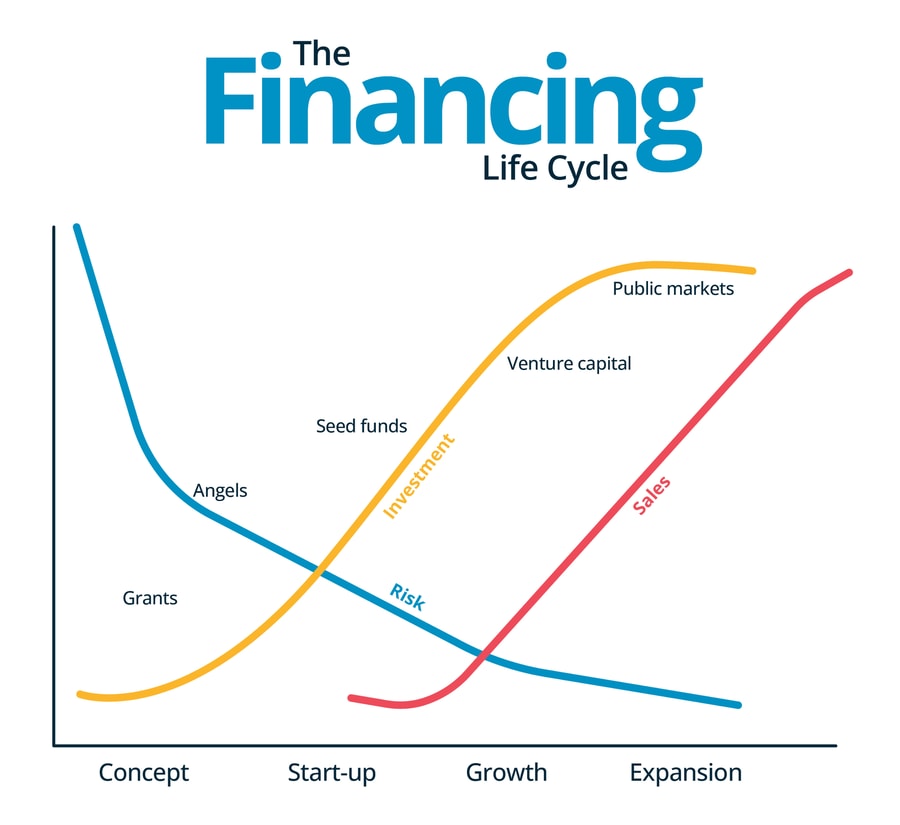
How to get funding for a startup in the UK
Before applying for funding, it’s important to prepare. Lenders and investors want to see that you’ve thought things through.
Here’s a simple step-by-step guide.
1. Write a business plan
Your business plan should explain:
- What your business does
- Who your customers are
- How you’ll make money
- Your growth plans
- Why you need funding
This doesn’t need to be overly complicated. But it should be clear and realistic.
2. Work out how much funding you need
Be specific. If you ask for too much, it may look risky. Too little, and you may run short.
Break your costs down into:
- Equipment
- Marketing
- Staffing
- Software
- Working capital
3. Prepare financial forecasts
Most startup funding companies will ask for projections. These usually include:
- Cash flow forecast
- Sales projections
- Expected costs
They want to see how funding will help you grow.
4. Check your credit profile
If you’re applying for debt funding, lenders may look at:
- Your personal credit score
- Any existing debts
- Your financial history
A strong credit profile can improve your chances.
5. Choose the right funding type
Different options suit different businesses. Some require repayment, while others involve giving up equity.
Let’s look at the main startup funding options.


Get our newsletter!
Sign up to receive the latest advice, insights and tips.
Types of startup funding options
There are several ways to get funding for startups in the UK – each comes with its pros and cons.
Debt financing (startup loans and business loans)
Debt funding means borrowing money and repaying it over time.
Common options include:
A government-backed loan designed for new businesses. You can borrow up to £25,000, repayable over five years. Successful applicants also receive mentoring.
Business loans from alternative lenders
Once you’ve started trading, lenders can offer larger amounts with flexible terms.
Peer-to-peer lending
Online platforms match businesses with investors who fund loans collectively.
Debt funding allows you to keep full ownership of your business.
Equity funding (angel investors and venture capital)
Equity funding involves raising money in exchange for shares in your business.
These are individuals who invest their own money into startups. They often provide advice and connections as well as funding.
VC firms invest in high-growth startups, usually in exchange for a larger equity stake.
Equity funding can provide significant capital, but you give up partial ownership.
Government grants and support schemes
Government grants are attractive because they don’t need to be repaid. These are often available for:
- Innovation
- Sustainability
- Regional growth
- Hiring and training
- Digital upgrades
However, grants are competitive and may require match funding.
You may need to contribute a portion of the project cost yourself.
Crowdfunding
Crowdfunding allows you to raise money from many people online. There are two main types:
- Reward-based crowdfunding (offering products or perks)
- Equity crowdfunding (offering shares in your business)
Crowdfunding can also help validate demand for your product.
Startup funding comparison
Here’s a quick overview of common funding types:
Funding type | Repayment required | Give up equity | Speed | Best for |
Business loan | Yes | No | Fast | Working capital |
Government grant | No | No | Slow | Specific projects |
Angel investor | No | Yes | Medium | High-growth startups |
Crowdfunding | Sometimes | Sometimes | Medium | Product launches |
Where can startups access both funding and community?
Some programmes offer more than just money. Startup incubators and accelerators provide funding alongside support. They often include:
Mentoring
- Networking opportunities
- Training workshops
- Office space
- Investor introductions
These programmes are useful if you’re in the early stages and want guidance. You can find them through:
- Universities
- Local growth hubs
- Startup accelerators
- Innovation centres
They can help refine your idea while connecting you with funding opportunities.
Startup funding companies vs traditional banks
Traditional banks can provide business loans, but they often require trading history and strong financials. Startup funding companies tend to offer:
- Faster decisions
- Online applications
- Flexible criteria
- Funding tailored to growing businesses
For many startups, alternative lenders are easier to access than high street banks.
Startup funding checklist: 7 things you need before applying
Before applying for funding, make sure you have:
- A clear business plan
- Defined funding amount
- Cost breakdown
- Cash flow forecast
- Growth plan
- Credit profile checked
- Backup funding option
Having these ready can speed up the process and improve approval chances.
Is a business loan the right way to fund your startup?
Not every startup qualifies for grants or investors, and crowdfunding takes time. A business loan can offer:
- Fast access to funding
- Clear repayment terms
- No loss of ownership
- Flexible borrowing amounts
Once your business has been trading for around six months, you may unlock more options. Fleximize supports established UK businesses with flexible funding designed for growth. You could:
- Raise working capital
- Invest in equipment
- Hire new staff
- Launch marketing campaigns
With loans from £5,000 to £500,000 and top-ups and repayment holidays as standard, you can access funding without giving up equity.
Final thoughts
Startup funding can come from many sources. The right option depends on your goals, timeline, and how much control you want to keep.
You might start with grants or crowdfunding. Later, you may choose loans or investors to scale. The key is understanding your options and preparing properly before applying.
With the right funding in place, you can focus on what matters most – growing your business.

A Guide to Internal and External Sources of Finance
— Read More — A Guide to Internal and External Sources of FinanceA Guide to Internal and External Sources of Finance
Every business needs money to grow, but where should you look? We break down the pros and cons of internal and external finance so you can make the right choice for your SME.

A Guide to Making Business Finance Work for You
— Read More — A Guide to Making Business Finance Work for YouA Guide to Making Business Finance Work for You
Discover how to optimise funding, manage cash flow, and make strategic financial decisions for growth.

The Benefits of Business Finance Borrowing for Future Growth
— Read More — The Benefits of Business Finance Borrowing for Future GrowthThe Benefits of Business Finance Borrowing for Future Growth
Learn how securing funds can drive expansion, innovation, and long-term success for your business.


These cookies are set by a range of social media services that we have added to the site to enable you to share our content with your friends and networks. They are capable of tracking your browser across other sites and building up a profile of your interests. This may impact the content and messages you see on other websites you visit.
If you do not allow these cookies you may not be able to use or see these sharing tools.